How Online Vape Retail in Singapore Is Organised
Two vape sellers can present nearly identical storefronts online and still operate in completely different ways. One may be a reseller who takes an order, then scrambles to source the item from a third party before dispatching it days later. Another may hold real stock in Singapore, pack it the same afternoon, and hand it to a courier within hours. To a buyer scrolling through listings, those two businesses look the same. Structurally, they are not. Understanding how online vape retail in Singapore is organised — the layers, the seller types, and the trade-offs each one creates — makes it far easier to judge what you are actually buying into when you place an order. For a working example of a local-stock operation, Sg vape shop delivery shows how the same-day model is put together in practice.
The Layers That Make Up the Market
Online vape retail in Singapore is not a flat list of shops. It is a stack of layers, and where a seller sits in that stack determines almost everything about the customer experience.
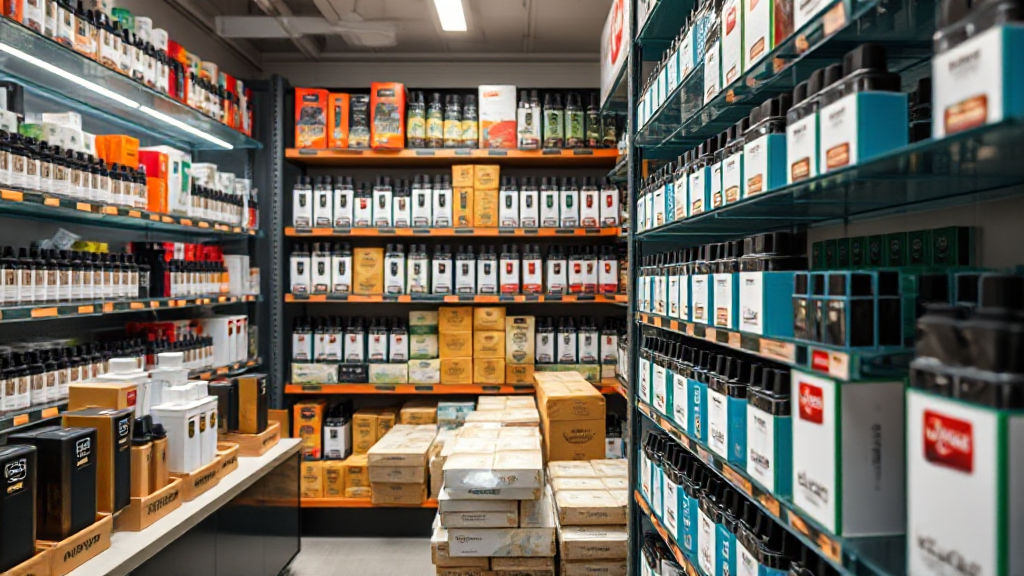
At the base is supply. Devices and pods arrive through import and distribution channels, and the question that matters most for buyers is whether a seller actually holds that supply locally or merely has access to it. A seller with local stock has inventory sitting in Singapore, ready to move. A seller without it depends on upstream availability, which introduces delay and uncertainty the moment demand spikes.
Above supply sits fulfilment — the machinery of picking, packing, and dispatching. This is where the split between courier-based same-day delivery and standard postal or scheduled delivery becomes visible. Same-day fulfilment requires a seller to keep courier capacity on standby and to treat order cut-off times as real deadlines rather than suggestions.
Then comes the storefront layer: the website, the catalogue, the product photography, the checkout. This is the layer buyers see and the one that most easily disguises everything underneath it. A polished storefront tells you nothing about whether stock exists or who is driving the parcel to your door.
Finally, there is the trust layer — authenticity, packaging discretion, and after-sale handling. Because vape products are frequently counterfeited, this layer carries more weight than it would in an ordinary retail category. A seller’s position on authenticity and discreet packaging is part of the market structure, not a marketing afterthought.
Where Local-Stock Sellers Sit in the Structure
Local-stock sellers occupy a specific and increasingly important position. They are the layer that converts availability into speed. When a seller keeps inventory on hand in Singapore, the delivery promise stops being aspirational and becomes operational.
This is the model behind lana vape sg, where ready local stock is paired with express same-day dispatch. The structural difference is straightforward: the item you order already exists in the country, so the only remaining variable is how fast it can be packed and delivered. That removes the sourcing delay that plagues reseller-style operations.
Local-stock sellers also tend to standardise their packaging. Discreet packaging is not simply a courtesy in this market; it is a fulfilment decision that has to be designed into the packing process. Sellers who treat it as a default rather than an option are signalling that they have thought about the customer’s situation end to end.
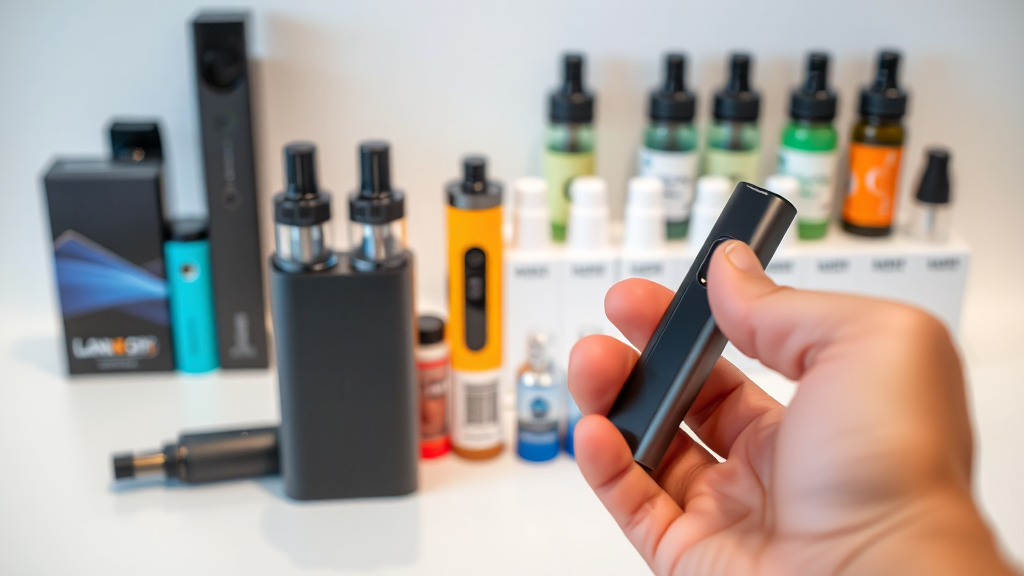
The trade-off is breadth. A seller holding local stock cannot carry every variant ever released, because shelf space and working capital are finite. Instead, they concentrate on proven, high-demand lines — disposable devices and pods from established brands — and keep those consistently available. For buyers, that means fewer oddities but far more reliability on the products people actually want.
This is also where brand concentration becomes visible. Established names such as Elfbar and Elf Bar models dominate local catalogues, and a seller’s ability to keep those specific lines in stock is a practical indicator of how well their supply layer is functioning. A Singapore lana vape catalogue built around these staples reflects a deliberate choice to optimise for availability over novelty.
What the Structure Means for Buyers
Once you see the market as layers rather than listings, several buyer-side implications fall into place.
First, delivery speed is a structural signal, not just a convenience. A seller offering Lana vape same day delivery is implicitly telling you that they hold stock, that they have courier arrangements in place, and that their order cut-off is operationally enforced. Sellers who cannot offer same-day dispatch are usually revealing a sourcing dependency, whether they intend to or not.
Second, authenticity claims deserve scrutiny at the trust layer. Because the category attracts counterfeits, the meaningful question is not whether a seller says products are authentic, but whether their supply chain is short enough to make that claim verifiable. Local stock shortens the chain. A seller who imports, holds, and dispatches directly has fewer hands in the process than one who routes orders through intermediaries.
Third, packaging discretion should be evaluated as a fulfilment feature. If a seller has designed their packing process around discreet delivery, it shows up in consistent, considered parcels — not in a single line of marketing copy.
Fourth, catalogue composition tells you where a seller’s priorities lie. A tightly curated, always-in-stock range suggests a seller optimising for dependability. A sprawling range with frequent out-of-stock notices suggests the opposite. Neither is inherently wrong, but they suit different buyers. If your priority is getting a specific, popular product reliably and quickly, the local-stock model is structurally better aligned with that goal.
The practical upshot is that buyers should read the market from the bottom up: supply first, then fulfilment, then storefront, then trust. That order of evaluation cuts through the surface similarity that makes online vape retail so hard to compare at a glance. A Vape delivery sg service that leads with local stock and same-day dispatch is, structurally, a different kind of business from one that leads with a wide catalogue and vague timelines.
How the Structure Is Likely to Keep Shifting
Market structure is not static, and the pressures acting on online vape retail in Singapore point in a fairly consistent direction. Buyers increasingly expect speed as standard, which rewards sellers who already hold local inventory and penalises those relying on upstream sourcing. That dynamic tends to concentrate demand around a smaller set of reliable operators.
At the same time, authenticity concerns push sellers toward shorter, more transparent supply chains. The sellers best positioned for that shift are the ones who already control their own stock and fulfilment rather than outsourcing both. Discreet packaging, too, is moving from a differentiator to a baseline expectation, which raises the operational bar for anyone entering the market.
The result is a market that looks crowded from the outside but is actually stratified underneath. The storefront layer will keep looking uniform, because good web design is widely available. The supply and fulfilment layers will keep separating the serious operators from the rest. For buyers, the useful habit is to look past the surface and ask the structural questions: does this seller hold stock locally, can they dispatch the same day, and is their packaging process designed for discretion? Those questions, more than any product listing, reveal what kind of seller you are dealing with — and a Singapore vape delivery operation built on local stock answers all three before you even place the order.